
Renovation vs. Remodel in St. Petersburg: Which Does Your Home Actually Need?
Many homeowners in St. Petersburg, FL, use "renovation" and "remodel" interchangeably, but these terms describe different scopes of work. Knowing which applies to your project can save you time, money, and permit headaches. Here is what you need to know about home renovations in St. Petersburg, FL, and how to choose the right path.
What Is the Difference Between a Renovation and a Remodel?
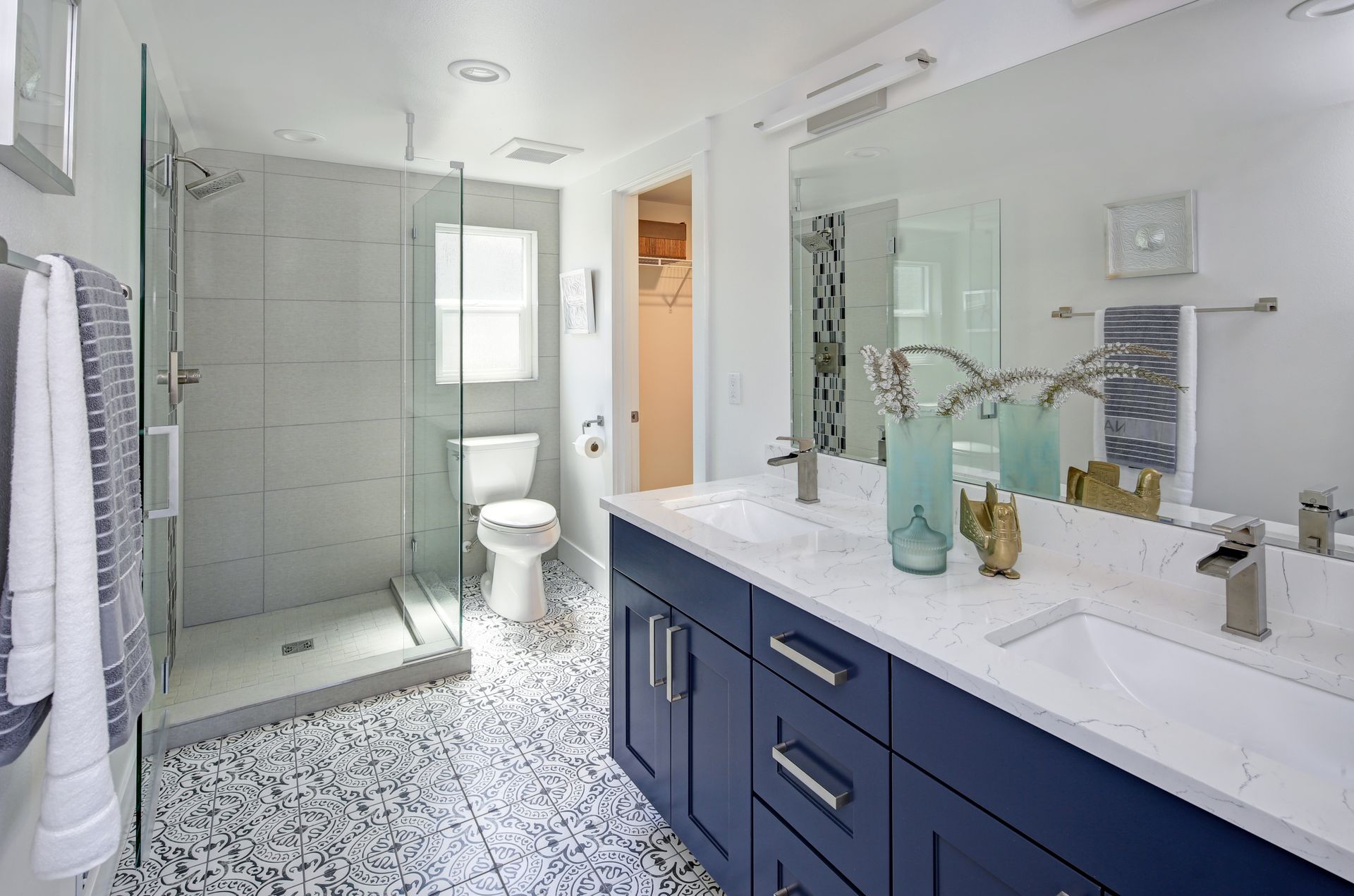
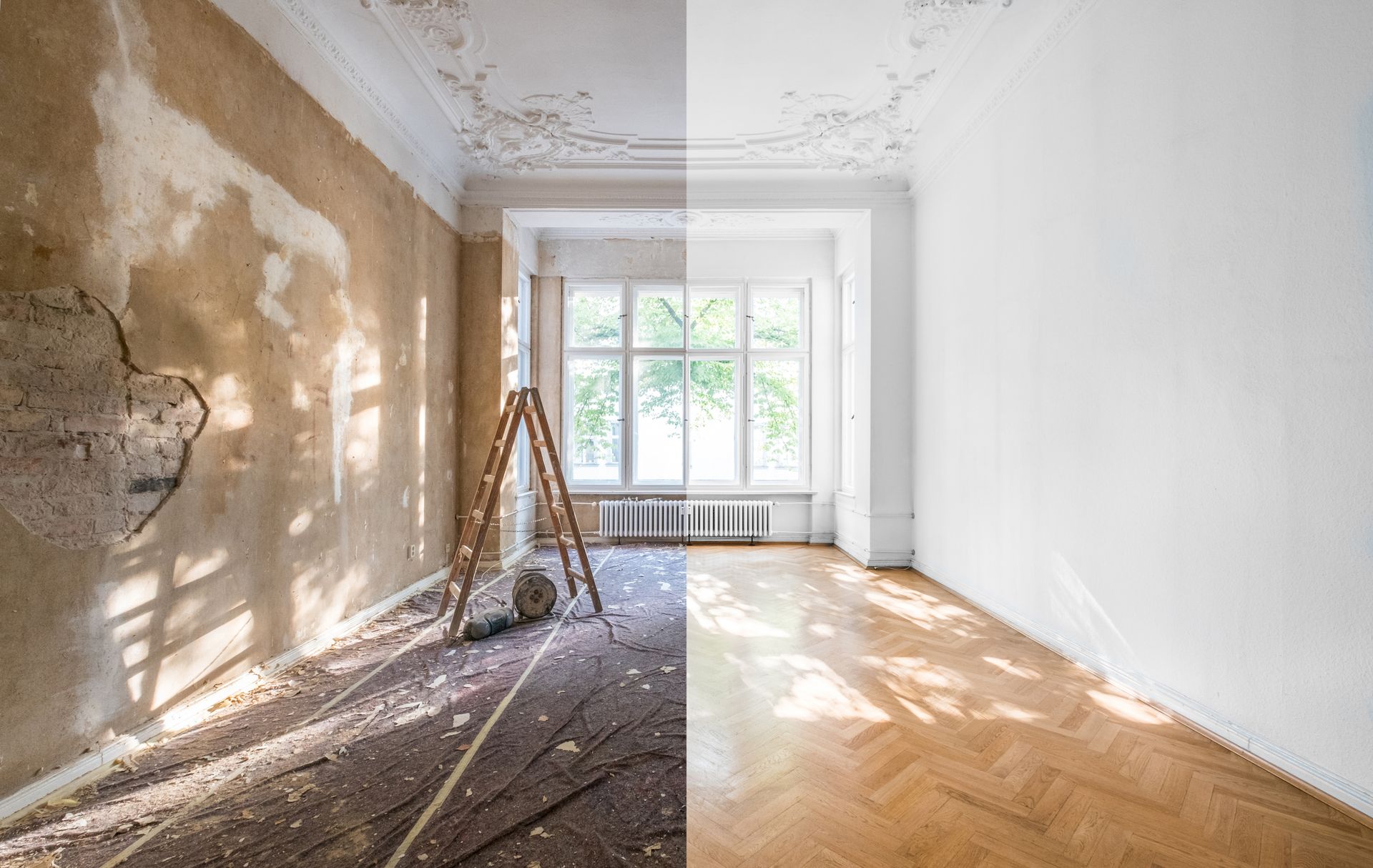
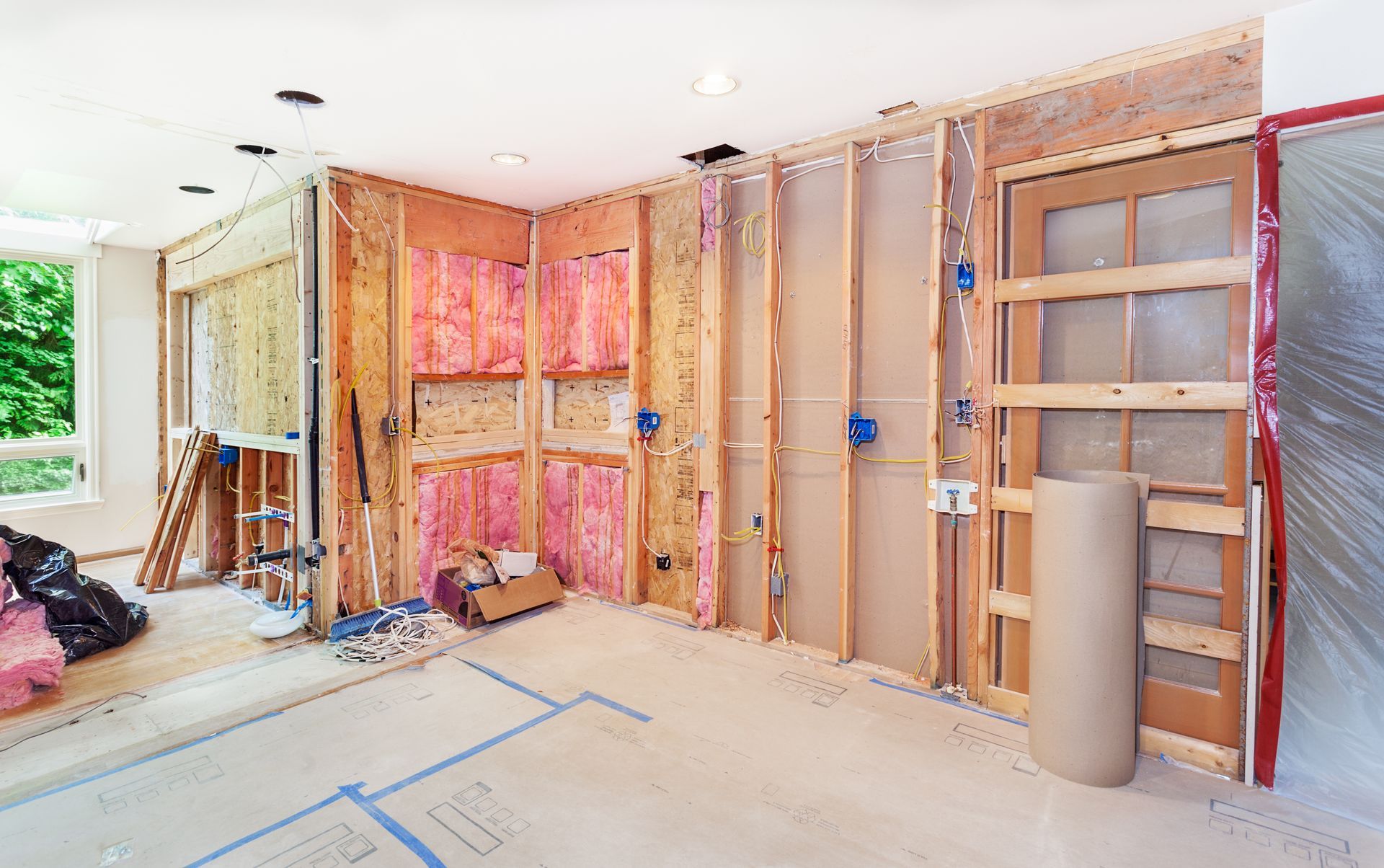
A renovation restores or updates what already exists: new paint, updated fixtures, replaced flooring, or modernized hardware. The layout and structure stay the same. A remodel changes the structure or function of a space entirely. Moving a wall, combining two rooms, or reconfiguring a bathroom layout all fall under remodeling.
A simple way to think about it: a renovation upgrades what is there without changing the shape or purpose of the space, while a remodel transforms a space into something functionally different. Both can add value, but they carry different cost implications and permit requirements.
Which Projects Qualify as Renovations in St. Pete?
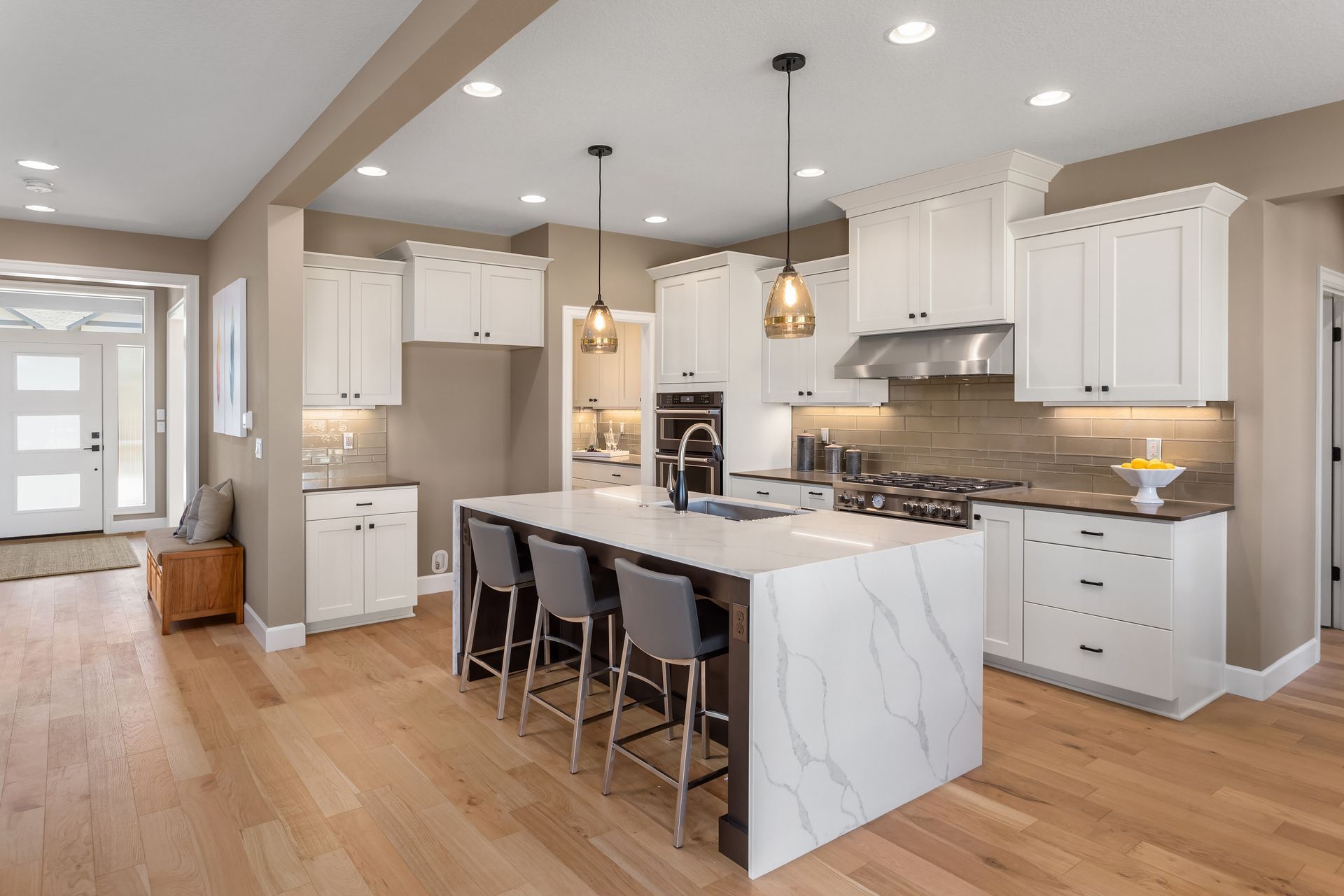
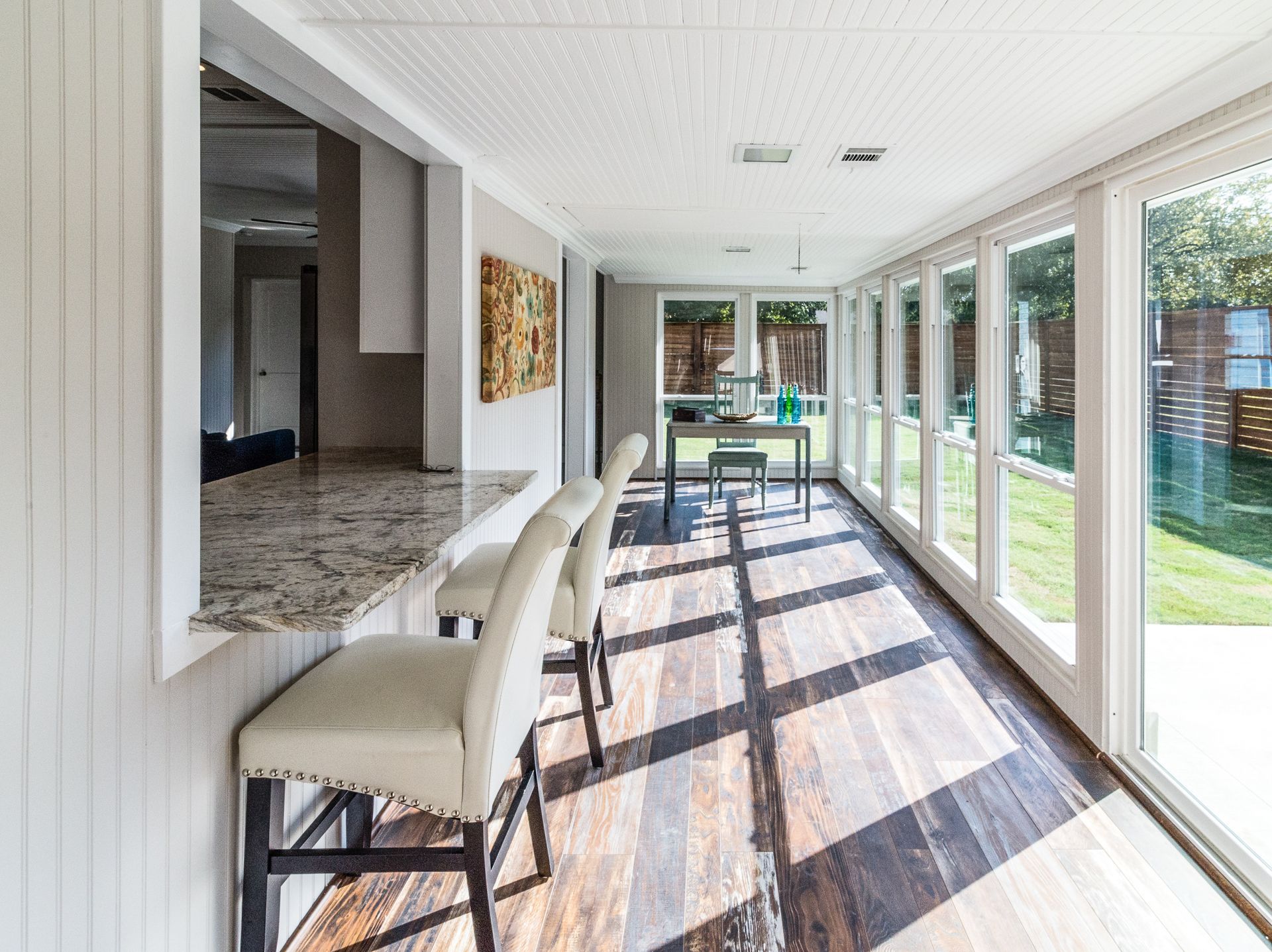
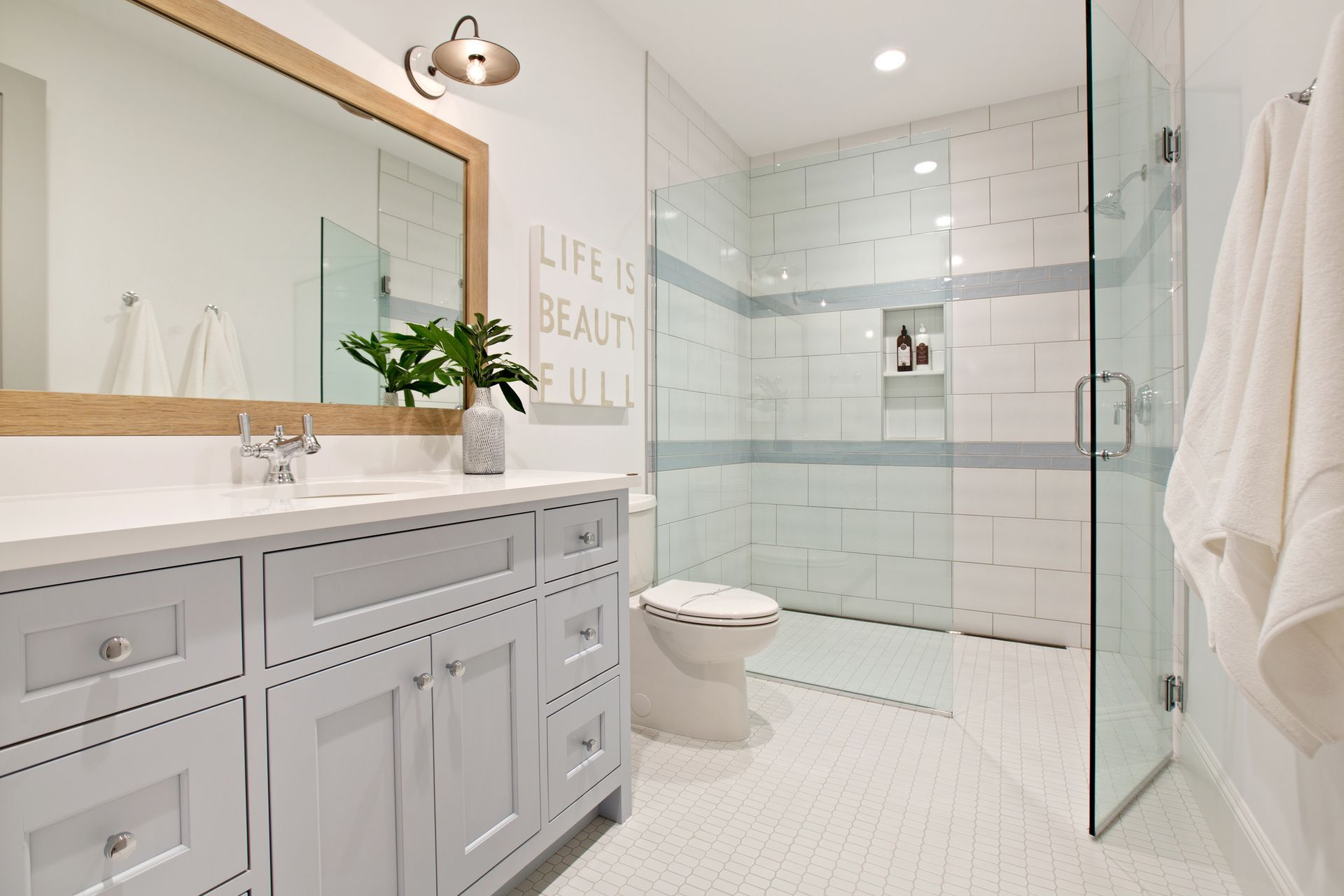
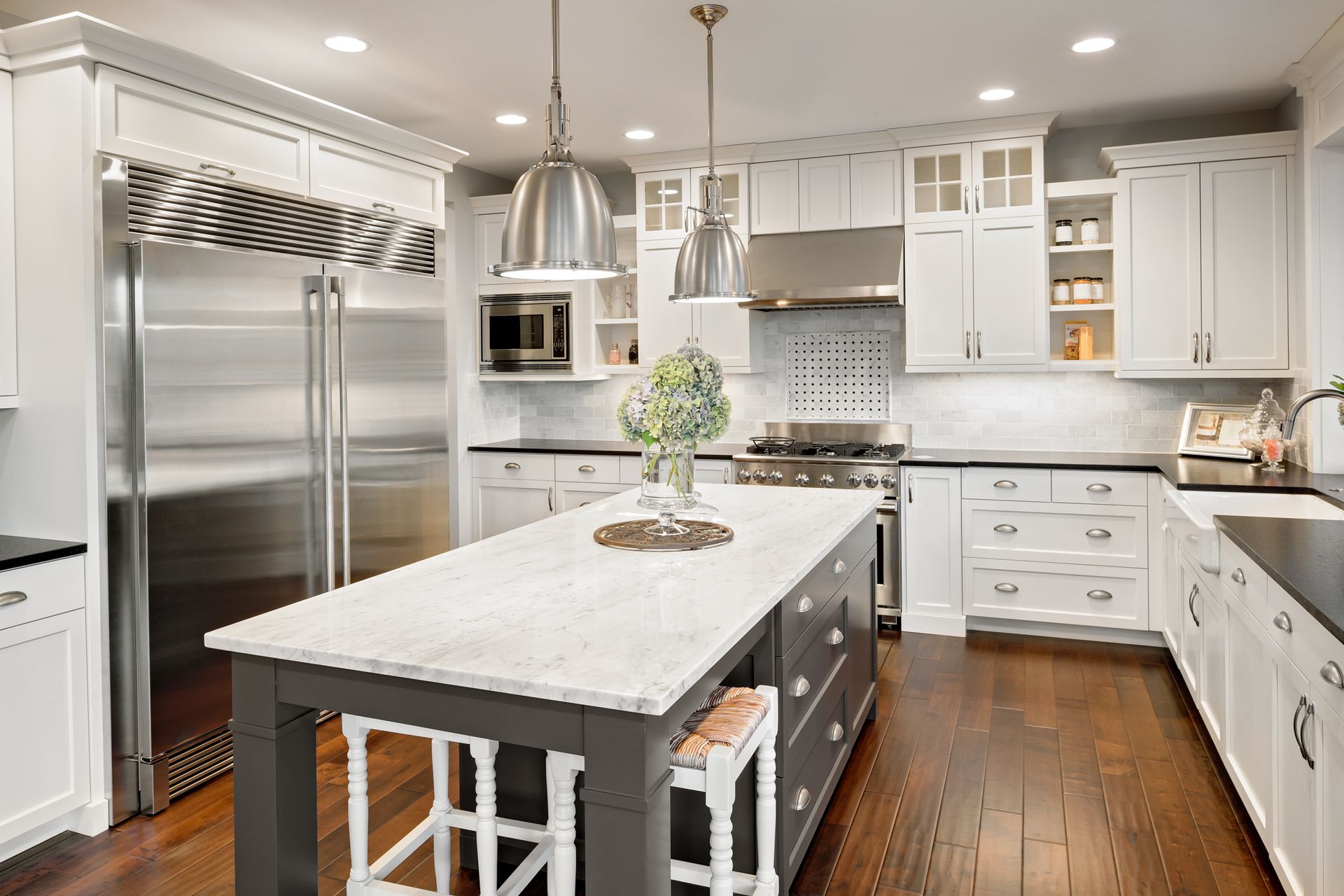
Common renovation projects in St. Petersburg include replacing aging windows or doors, refinishing hardwood floors, updating kitchen cabinets without moving plumbing, repainting surfaces, and replacing a worn roof. These refresh a home without altering its footprint or floor plan. Explore the full range of home renovation services available to St. Pete homeowners to get a sense of what falls within this scope.
St. Pete's salt air and humidity accelerate wear on finishes, fixtures, and building materials. Homeowners pursuing home renovations in St. Petersburg, FL, in neighborhoods like Shore Acres, Meadowlawn, and Coquina Key often need consistent cosmetic renovation to stay ahead of moisture-related deterioration.
Do St. Petersburg Renovations Require Permits?
Simple cosmetic changes such as paint and flooring typically do not require a permit. However, once a renovation touches electrical, plumbing, or mechanical systems, the rules change. Most significant renovations require a building permit, plus separate trade permits for electrical, plumbing, and mechanical work. Check with the City of St. Petersburg Building Department before starting to avoid costly compliance issues.
When Does a Project Become a Full Remodel?
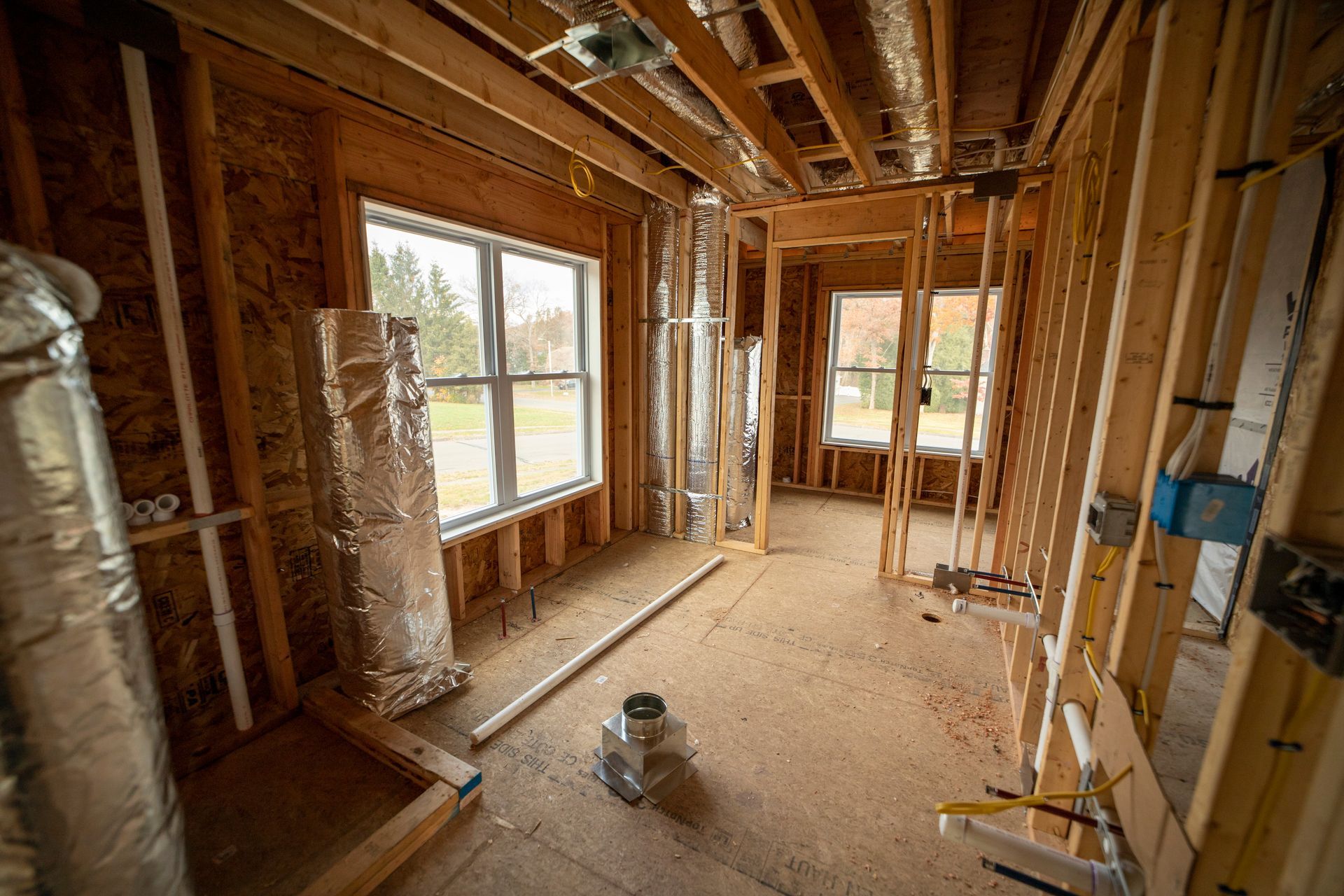
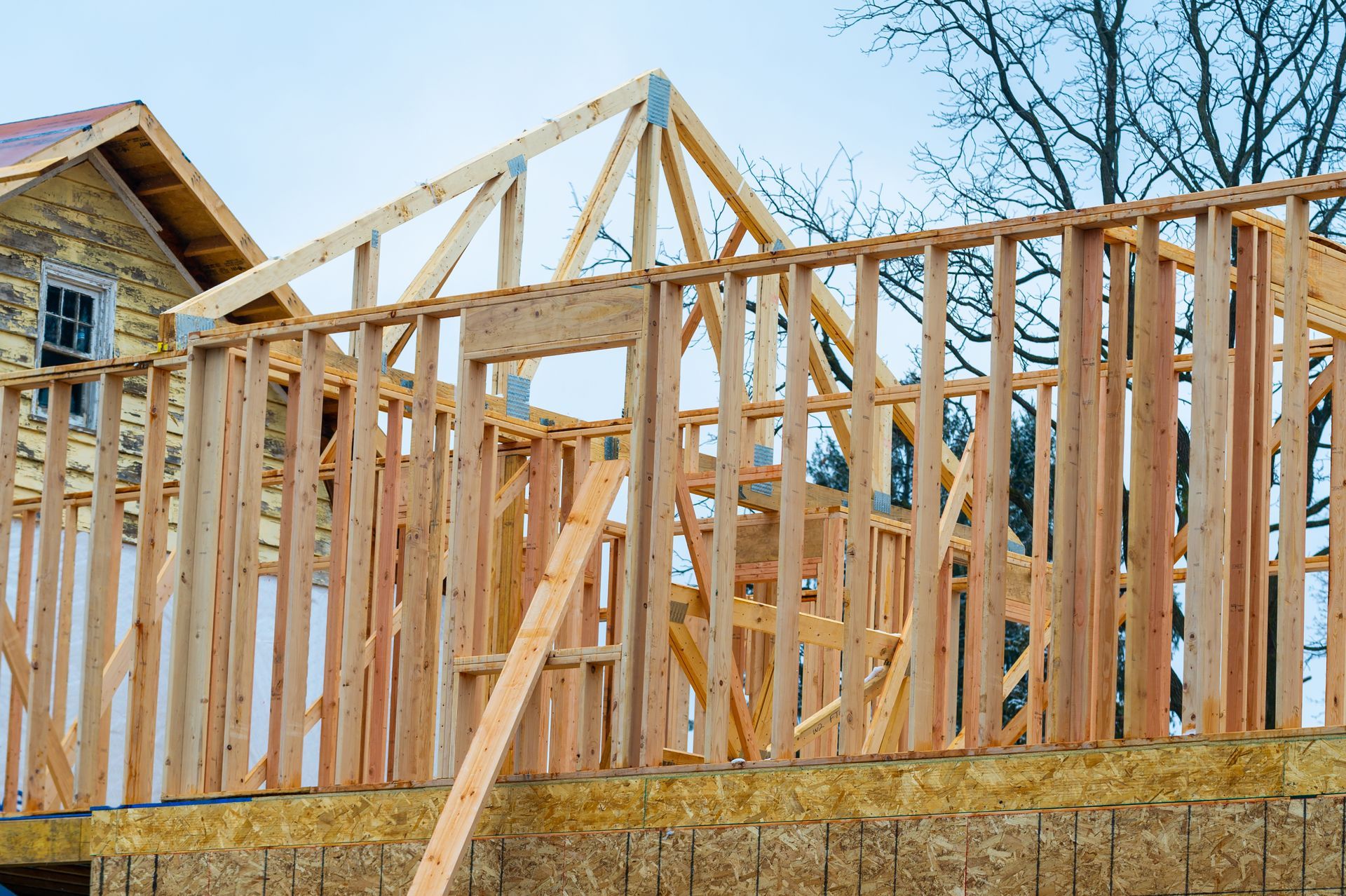
A remodel changes the layout, structure, or intended use of a space. In St. Petersburg's older housing stock, this distinction matters. Opening up a closed-off galley kitchen, removing a load-bearing wall to create an open-concept living area, or converting a garage into a bedroom all cross into remodel territory.
Remodels almost always require permits. Structural changes, plumbing reroutes, and electrical upgrades trigger full plan review through the city's Construction Services and Permitting division.
What Is the FEMA 49% Rule and How Does It Affect St. Pete Remodels?
This is a critical consideration for flood-zone homeowners. A "substantial improvement" means any reconstruction, rehabilitation, or improvement where the cost equals or exceeds 49% of the structure's market value before construction begins. If your remodel crosses that threshold and your home sits below the Design Flood Elevation, the structure may need to come into full compliance with current floodplain management regulations, potentially including elevation. Learn more in our guide on the FEMA 50% Rule for home additions in St. Pete.
Cost Implications: Renovation vs. Remodel
Renovations tend to cost less because they work within the existing structure. That said, older St. Pete homes, particularly those built before 1980 in areas like Disston Heights or Euclid-St. Paul, can reveal hidden issues once work begins, such as outdated wiring or galvanized plumbing. Understanding the full scope of home renovations in St. Petersburg, FL, before committing to a budget helps homeowners avoid costly surprises mid-project.
Remodels carry higher upfront costs due to structural changes, permit fees, and multi-trade coordination. However, a well-planned remodel, like opening up the floor plan of a mid-century Old Northeast home, can meaningfully increase resale value in St. Pete's competitive market. Budget for what the scope truly demands, not just the finish line.
Choosing the Right Path for Your St. Pete Home
Choosing between renovation and remodel comes down to three things: your goals, your home's structural condition, and your timeline. If your layout works but finishes look dated, renovation is likely sufficient. If the way your home flows does not suit your lifestyle, or if you want to add square footage or change room functions, a remodel may be the right investment.
Older St. Petersburg homes often benefit from a hybrid approach: a remodel that addresses layout issues combined with home renovations in St. Petersburg, FL, that refresh finishes throughout. A contractor familiar with Pinellas County permitting and St. Pete's flood zone requirements can help you determine which work triggers what permits before you commit.
How Do I Know if I Need a Contractor vs. a Handyman?
If your project involves structural changes, load-bearing walls, plumbing reroutes, or new electrical circuits, you need a licensed contractor. Handymen can handle minor cosmetic work, but permitted remodeling in St. Petersburg legally requires a licensed professional. Verify contractor licensing through the Pinellas County Licensing Board and confirm your contractor holds the appropriate Florida state license before work begins.
Take the Next Step With a Local St. Pete Contractor
Home renovations in St. Petersburg, FL, succeed when you start with a clear plan and a local team who knows the city's building codes, flood zone rules, and neighborhood-specific conditions.
Coastal Palms Contracting, LLC brings over 17 years of licensed contracting experience to homeowners across St. Petersburg and the greater Tampa Bay Area.
Contact the team to schedule a free consultation, or call
(727) 482-9341 to get started.