
Home Additions in St. Petersburg, FL: A 2026 Homeowner's Guide to Real Value
St. Petersburg homeowners looking to expand their living space can make smart, lasting investments by choosing the right type of addition for Florida's coastal market. Home additions in St. Petersburg, FL, carry unique considerations that most national guides overlook, from Pinellas County zoning rules to hurricane wind-load requirements and flood zone feasibility. This guide breaks down the highest-value addition types for St. Pete homes in 2026 and what you need to know before breaking ground.
Why Home Additions in St. Petersburg, FL Differ From the Rest of the Country
St. Petersburg's position on the Pinellas Peninsula means high humidity, salt air exposure, and the reality of hurricane season. Building materials, structural connections, and rooflines must meet Florida Building Code standards for high-wind zones. An addition that works in a mild inland market may need significant upgrades here to meet code and hold up over time.
Pinellas County also enforces its own zoning setbacks and lot coverage limits. Before any addition moves forward, homeowners need to confirm the new footprint stays within the allowable lot percentage and respects required setbacks. Checking with the City of St. Petersburg's Development Services department early can save time and money.
Coastal Palms Contracting, LLC
has navigated these local requirements for more than 17 years and can help you understand what applies to your specific parcel before any plans are drawn.
Which Addition Types Offer the Best Return for St. Pete Homeowners?
Florida Room and Sunroom Additions
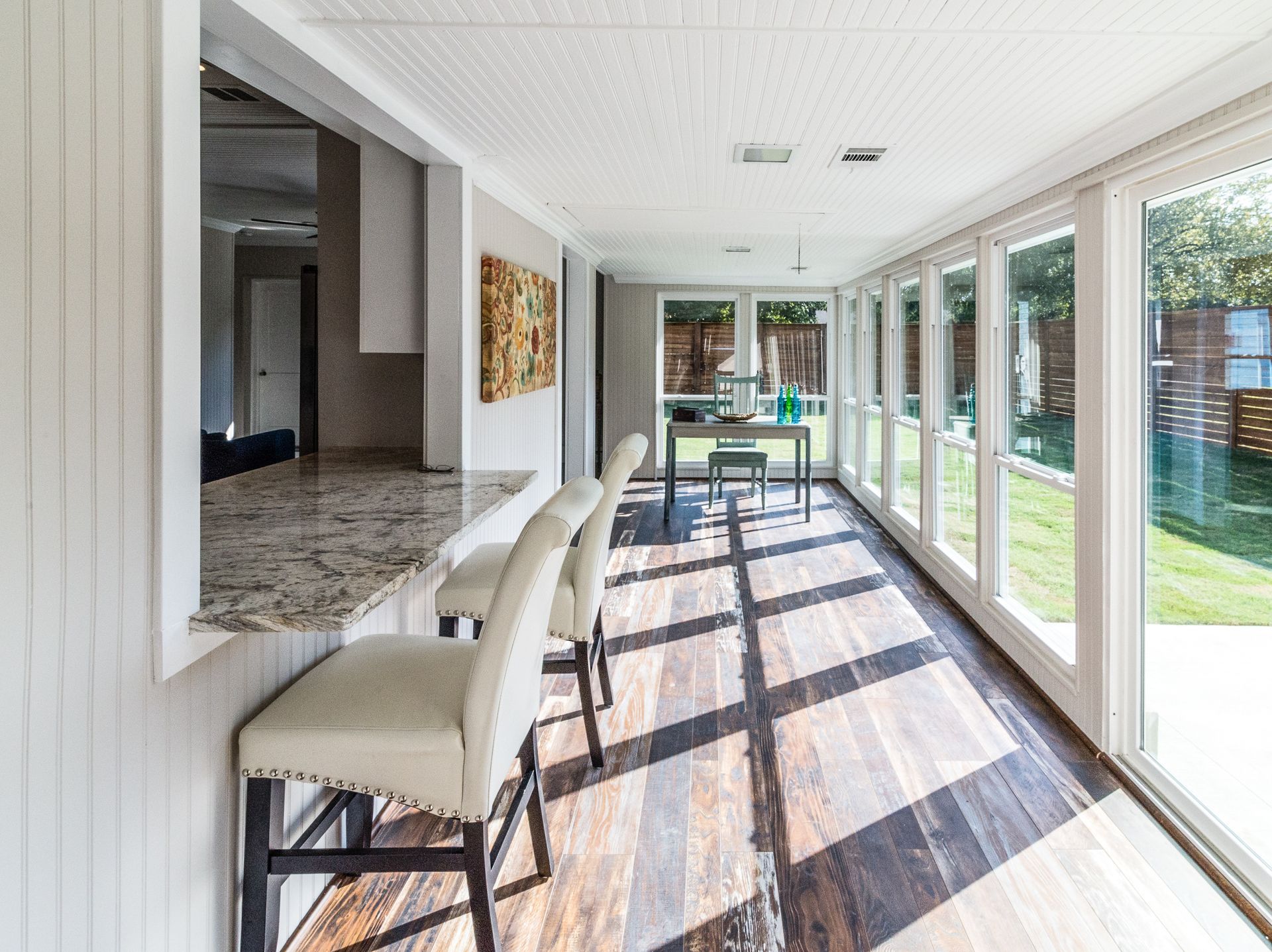
A Florida room or screened sunroom is one of the most popular home additions in St. Petersburg, FL. With roughly 361 days of sunshine per year, a well-designed sunroom can serve as a year-round living space and is a major selling feature in the coastal market.
When built to Florida Building Code standards, sunrooms typically require impact-resistant glazing or shutters to meet wind-load requirements. Proper ventilation and moisture-resistant materials also matter in a humid Gulf Coast environment. To learn more about what Coastal Palms offers in this category, visit the home additions services page.
Primary Suite Additions
Adding a primary bedroom and bathroom suite is one of the most consistent ways to increase a home's value. Many of St. Petersburg's older bungalow neighborhoods, like Kenwood, Historic Roser Park, and Disston Heights, feature compact floor plans that lack a true primary suite. A well-executed addition can modernize these homes significantly.
On tighter urban lots common to St. Pete's historic districts, a second-story addition may be the only viable path to adding square footage without losing yard space. Second-story work requires a thorough structural assessment, since many older homes were not built with a second floor in mind.
Garage Conversions and ADU Additions
Accessory dwelling units (ADUs) and garage conversions have grown in popularity across Pinellas County. Converting an existing garage or adding a detached guest suite can serve multigenerational families or generate rental income. St. Petersburg's rental market, bolstered by proximity to downtown, the Dalí Museum corridor, and Gulf beaches, makes an ADU a financially practical option for homeowners planning home additions in St. Petersburg, FL.
ADU feasibility depends on the specific zoning district. St. Pete has been expanding ADU allowances in recent years, but setbacks, utility connections, and parking minimums still need to be verified parcel by parcel.
Reach out through the contact page
to discuss ADU options for your property with the Coastal Palms team.
Flood Zone Considerations That Can Affect Your Addition Plans
Flood zone designation may be the single most important feasibility factor for home additions in St. Petersburg, FL. A significant portion of the city falls within FEMA Special Flood Hazard Areas, particularly in neighborhoods near Tampa Bay, Boca Ciega Bay, and Coffee Pot Bayou.
If your home is in a flood zone, the FEMA 50 Percent Rule may apply. If the cost of improvements equals or exceeds 50 percent of the structure's pre-improvement market value, the entire structure may need to be brought into compliance with current flood elevation requirements. This can substantially change the cost picture for an addition on a lower-elevation lot. The existing blog post on the FEMA 50 Percent Rule and home additions in St. Pete covers this in detail and is worth reading before you plan your project.
Understanding your flood zone designation and elevation certificate before designing an addition can help avoid costly surprises.
Permitting and Construction Timeline Overview
Every structural addition in St. Petersburg, FL, requires a building permit. For a step-by-step breakdown of what to expect, the home addition permit timeline guide for St. Petersburg<https://www.coastalpalmscontracting.com/blog/home-addition-permit-timeline-st-petersburg-fl> is a helpful resource.
Wind-load compliance is required under Florida Building Code Chapter 16. For Pinellas County, this often means engineering documentation for roof-to-wall connections, anchor bolts, and hurricane straps. A licensed general contractor familiar with local code requirements can help ensure plans are submitted correctly the first time.
Frequently Asked Questions About Home Additions in St. Pete
Can I Add a Second Story to My St. Petersburg Home?
In many cases, yes, but it depends on the existing structure's foundation and framing. Older homes may need structural reinforcement before a second story is feasible. A structural assessment is typically the first step.
Do Flood Zones Affect What Type of Addition I Can Build?
Yes. Homes in FEMA-designated flood zones may face elevation requirements and the FEMA 50 Percent Rule, which can limit or significantly change the scope of an addition.
What Permits Are Required for a Room Addition in St. Petersburg, FL?
Room additions generally require a building permit and, depending on scope, electrical, mechanical, and plumbing sub-permits. Plans are reviewed by the City of St. Petersburg's Building Services division and must meet Florida Building Code standards.
Is a Sunroom Considered Living Space for Appraisal Purposes?
It depends on construction. A fully enclosed, climate-controlled sunroom with proper permits may count toward conditioned square footage. A screened or unheated room typically does not. An appraiser will assess the finish level and permit history.
Start Planning Your Addition With a Local Expert
Coastal Palms Contracting, LLC is a licensed, locally based contractor serving St. Petersburg, FL, with more than 17 years of experience in home additions in St. Petersburg, FL, including remodeling and new construction. The team understands Pinellas County zoning, Florida Building Code wind-load requirements, and flood zone feasibility from the ground up. To discuss your project and get a free consultation, call
(727) 482-9341 to speak with the team Monday through Saturday.