
Permit Timeline for Home Additions in St. Petersburg: What to Expect Before You Build
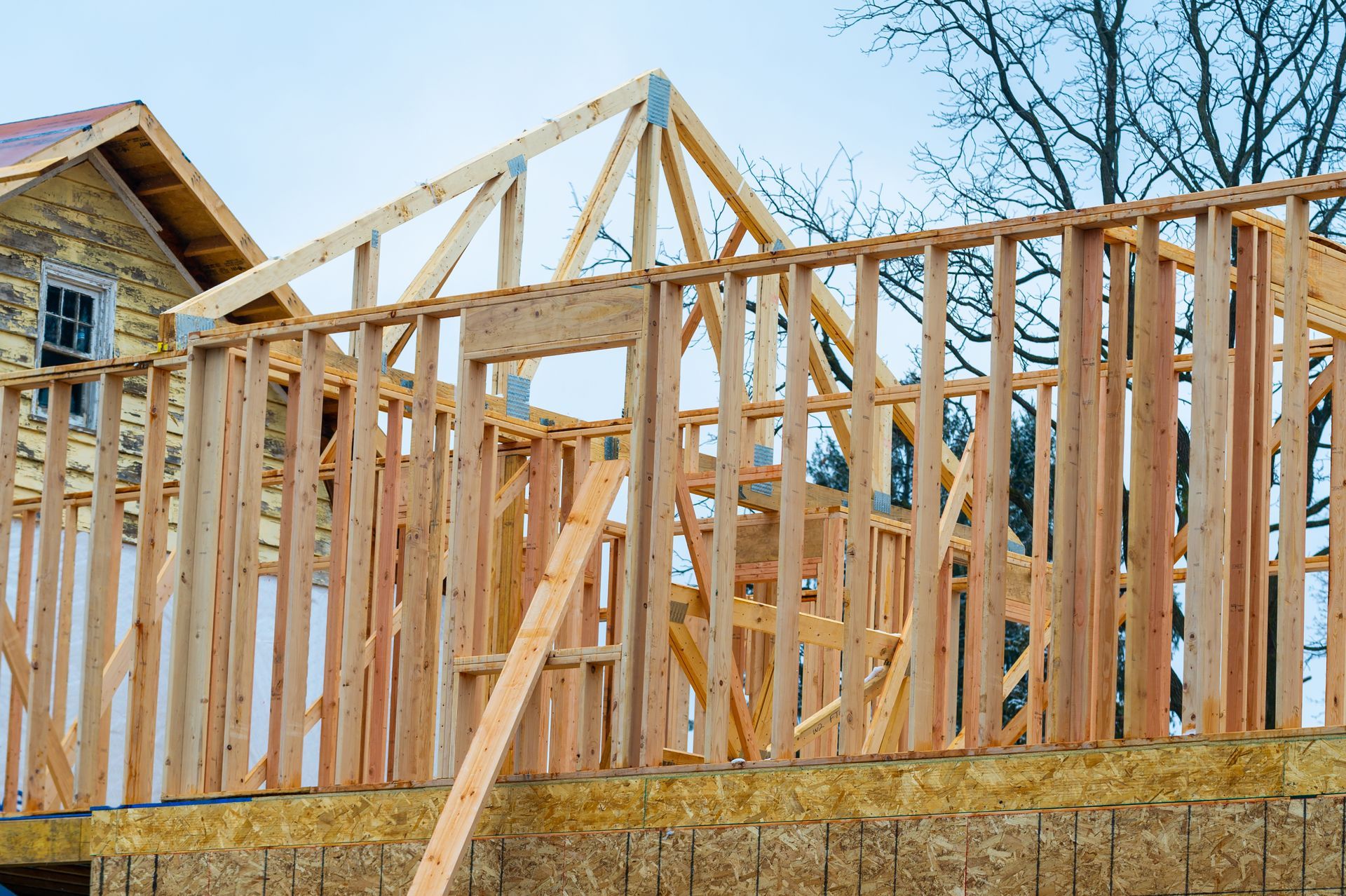
Understanding the permit timeline for home additions in St. Petersburg, FL, can save homeowners significant time, money, and frustration before a single nail is driven. Whether you are adding a primary suite, a sunroom, or a second story to your home, the local permitting process in St. Pete has specific requirements that differ from other Florida cities. Home additions in St. Petersburg, FL, must go through a structured review process managed by the City's Building Department, and knowing what to expect at each stage helps you plan realistically from day one.
Why Every Home Addition in St. Petersburg Requires a Permit
Every home addition in St. Petersburg requires a building permit, without exception. Skipping the permit process may seem like a shortcut, but it creates lasting problems. Unpermitted work can void your homeowner's insurance coverage, make your home harder to sell, and even result in a code enforcement order requiring you to tear out completed work. The City's permit review also verifies that your addition meets structural, electrical, plumbing, and zoning requirements, which protects your investment long after the project is finished.
What Are the Key Stages of the St. Petersburg Permit Process?
The permit timeline for home additions in St. Petersburg, FL, typically runs through five core stages. Each phase has its own requirements, and delays at any one stage can push back your overall schedule.
Stage 1 - Pre-Design and Zoning Check
Before your architect or contractor finalizes drawings, it is worth checking your property's zoning designation and flood zone status. Setback requirements in most St. Petersburg residential zones typically run 6 to 7 feet on the sides, 20 to 30 feet in front, and around 25 feet in the rear. If your home is located in a Special Flood Hazard Area, additional rules apply. St. Petersburg enforces a 49% rule for properties in flood zones, meaning improvements cannot exceed 49% of the structure's assessed value without triggering a requirement to bring the entire structure up to current code. Checking these factors early can prevent costly redesigns later.
For homes in historic districts like Old Northeast or Kenwood, an extra layer of review may be required. Properties in designated historic areas may need a Certificate of Appropriateness from the Historic Preservation and Design Review Board before a standard building permit can be issued. This step alone can add several weeks to your timeline, so it is best identified as early as possible.
Stage 2 - Plan Preparation and Submission
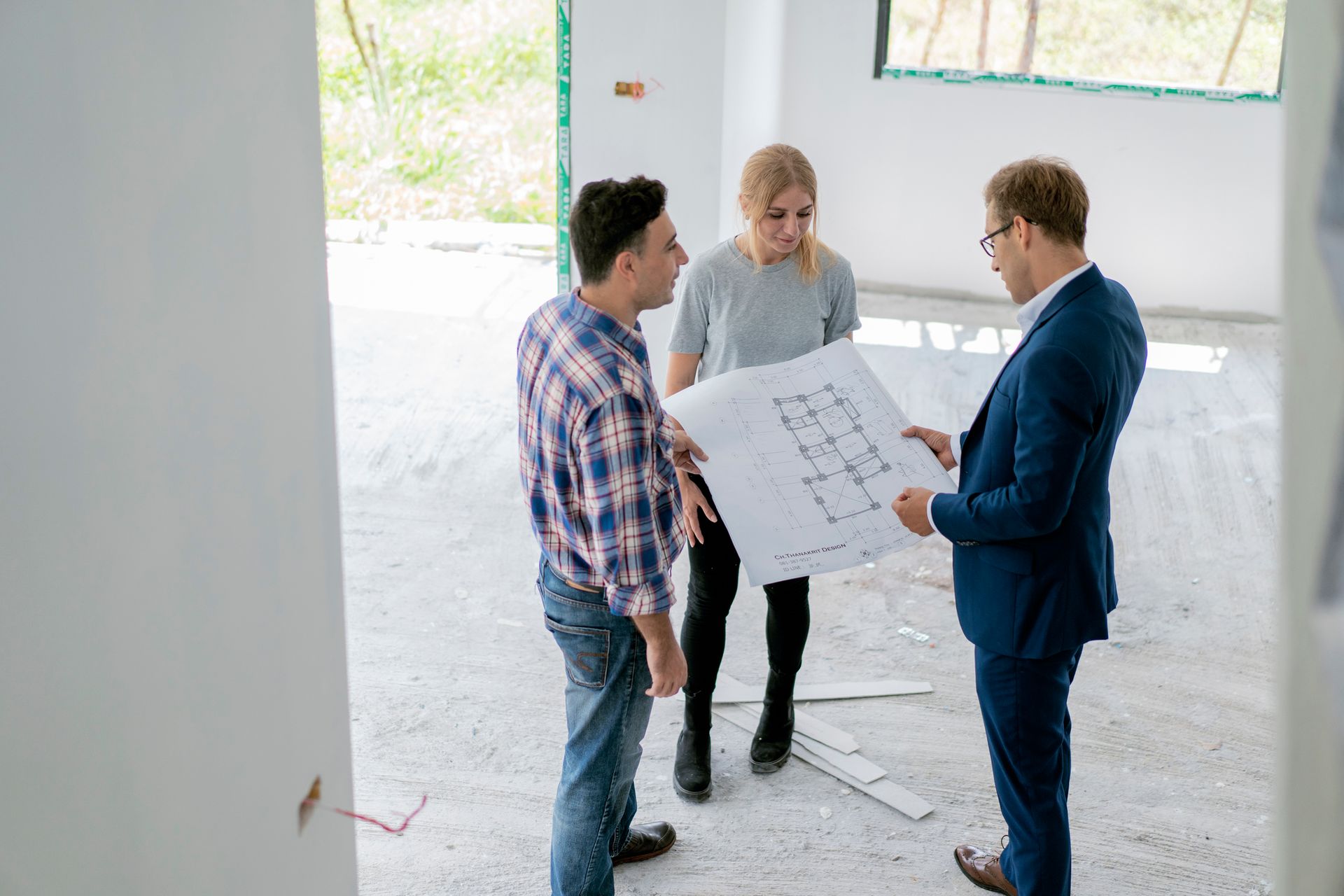
Once zoning and flood zone factors are understood, your contractor or architect prepares construction drawings that meet the Florida Building Code. Plans must be drawn and sealed by a licensed Florida engineer or architect of record. The City of St. Petersburg accepts plan submissions through its electronic ePlan Review System. As of October 1, 2025, the City also requires a notarized application for all permit submittals prior to permit issuance, and the application must be signed by the license holder or an authorized agent. Out-of-area contractors unfamiliar with this requirement may experience unexpected delays at this stage.
Stage 3 - Plan Review Timeline
After submission, the City targets an initial review period of approximately 10 business days for residential projects. Resubmittal reviews typically aim for a 5-business-day turnaround. If reviewers identify issues, a correction letter is issued and you will need to address each comment before the permit can move forward. Complex projects, or those that require multi-department review involving structural, electrical, and plumbing trades, may take longer. Each correction round adds time, which is why submitting thorough, complete plans from the start is critical. A standard home addition permit in St. Pete can realistically take 1 to 2 months just for plan review and permit issuance, even for straightforward projects.
Stage 4 - Permit Issuance and Notice of Commencement
Once all review trades have approved the plans, the permit is processed and your contractor is notified to make the final permit payment. Before the first inspection can occur, your contractor must also file a recorded Notice of Commencement with the county. This legal document protects homeowners and contractors by establishing the official start of the project and notifying lienholders.
Stage 5 - Inspections and Certificate of Occupancy
Construction proceeds in phases, each requiring a City inspection before work can continue. Typical inspections for home additions include foundation, framing, rough-in trades (electrical, plumbing, HVAC), insulation, and final inspection. Each inspection must be scheduled and passed before the next phase begins. The final inspection confirms the completed structure matches the approved plans. Once all inspections are passed, a Certificate of Occupancy is issued and the addition is officially complete.
How Long Does the Full Permit Process Take?
A standard, straightforward home addition permit in St. Petersburg typically takes 1 to 2 months from plan submission to permit issuance. Flood zone compliance, historic district review, or multiple correction rounds can extend the permit phase to several months. When you factor in design, permitting, construction, and inspections together, home additions in St. Pete, FL, may realistically span 5 to 9 months or more from start to finish.
What Can Speed Up or Slow Down Your Timeline?
A few factors can meaningfully affect how quickly your project moves through the system.
Things that can help your timeline move faster include:
▸ Submitting complete, fully coordinated construction plans from the start.
▸ Confirming flood zone status and setbacks during the design phase, not after.
▸ Working with a contractor who knows the St. Petersburg Building Department and its current requirements.
▸ Accounting for the notarized application requirement before the permit is submitted.
Things that can slow your project down include:
▸ Incomplete plan submissions that generate multiple correction rounds.
▸ Discovering flood zone or historic district requirements mid-design.
▸ Hiring a contractor unfamiliar with local codes or the City's ePlan Review System.
Ready to Plan Your Home Addition in St. Petersburg?
Understanding the permit process is the first step toward a smooth project. Homeowners pursuing home additions in St. Petersburg benefit from working with a contractor who knows the local system inside and out. If you are ready to move forward,
Coastal Palms Contracting, LLC provides home addition services serving St. Petersburg, FL, and the surrounding Tampa Bay area. Their team understands the local permitting process, flood zone requirements, and what it takes to keep a project on schedule in St. Pete. Reach out at
(727) 482-9341 to schedule a free consultation, explore custom room addition services, or
connect with the team directly to discuss your project goals.